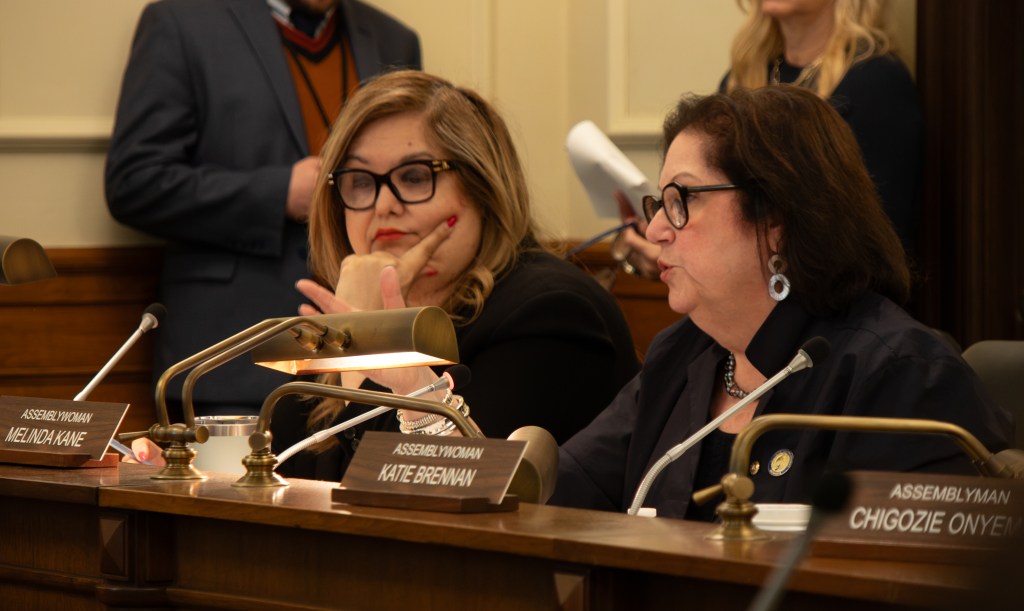
Republicans in Congress want to make daylight saving time permanent, and a similar New Jersey measure sponsored by Democrats moved unanimously from a Senate committee Thursday in Trenton. Photo credit: Solving Healthcare via Unsplash.
By Jayden Parente
NJ State House News Service
TRENTON, N.J. – Daylight saving time has been around for more than 100 years, but a Senate committee meeting might spell the beginning of the end for “fall back.”
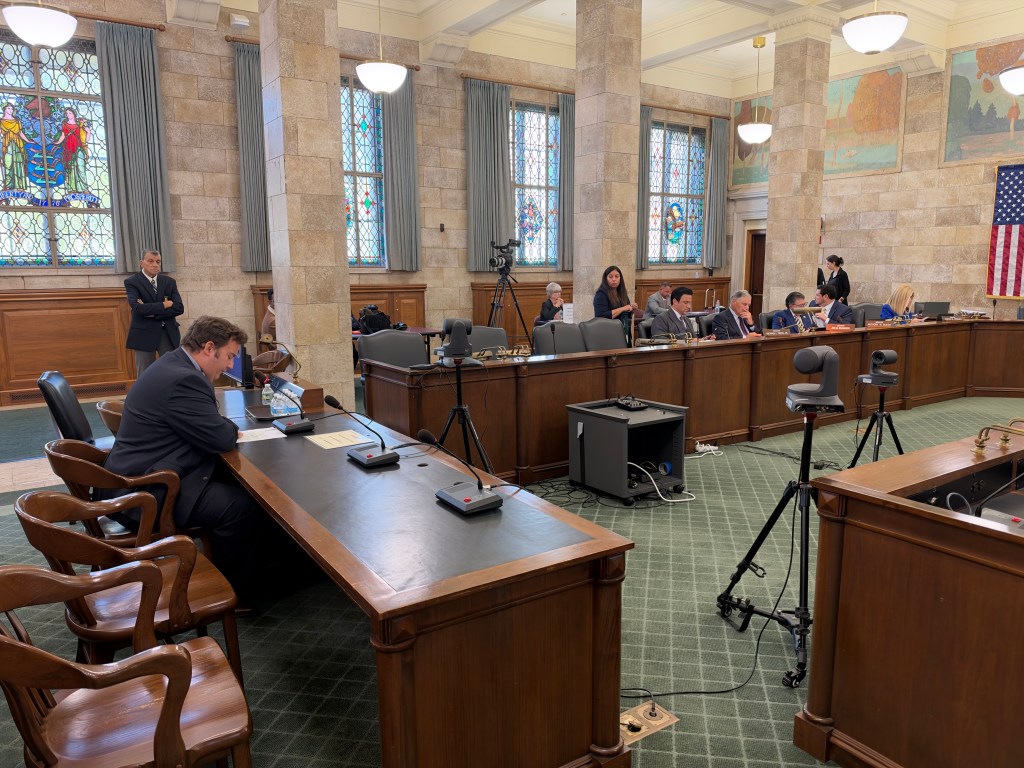
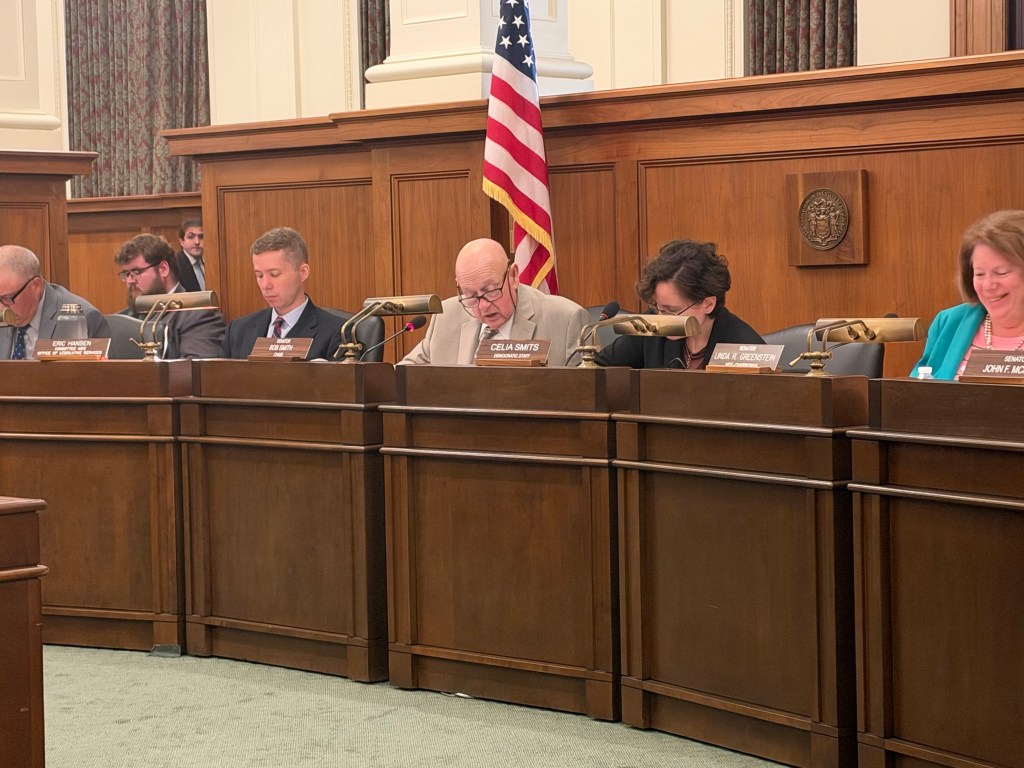
At the top of Thursday’s State Government wagering, tourism, and historic preservation meeting, the committee took up S3236, legislation that would make daylight saving time permanent – meaning New Jerseyans would no longer get an hour back in the fall.
The bill passed the committee unanimously, but the issue was not without debate.
“Yes, but I reserve my right on the Senate floor,” said Sen. James Beach, a Democrat from Voorhees.
Despite a unanimous decision to push the bill to the assembly, reservations still hang in the air and witness testimony raised more specific concerns.
One witness, speaking on behalf of orthodox Jewish communities, expressed opposition to the bill.
”Our morning services, which are required of all adults, are time based with some of these prayers permitted only after sunrise,” said Shlomo Shor, Director of Legislative Affairs for Agudath Israel of America’s New Jersey Office.
He argues that keeping daylight saving time permanently may restrict Jewish residents from being able to perform their religious duties as well as their professional responsibilities. For example, he said, later in the year , the sun doesn’t rise until as late as between 7 and 7:30, meaning that these practices could not be completed in time for many Orthodox Jews to get to work.
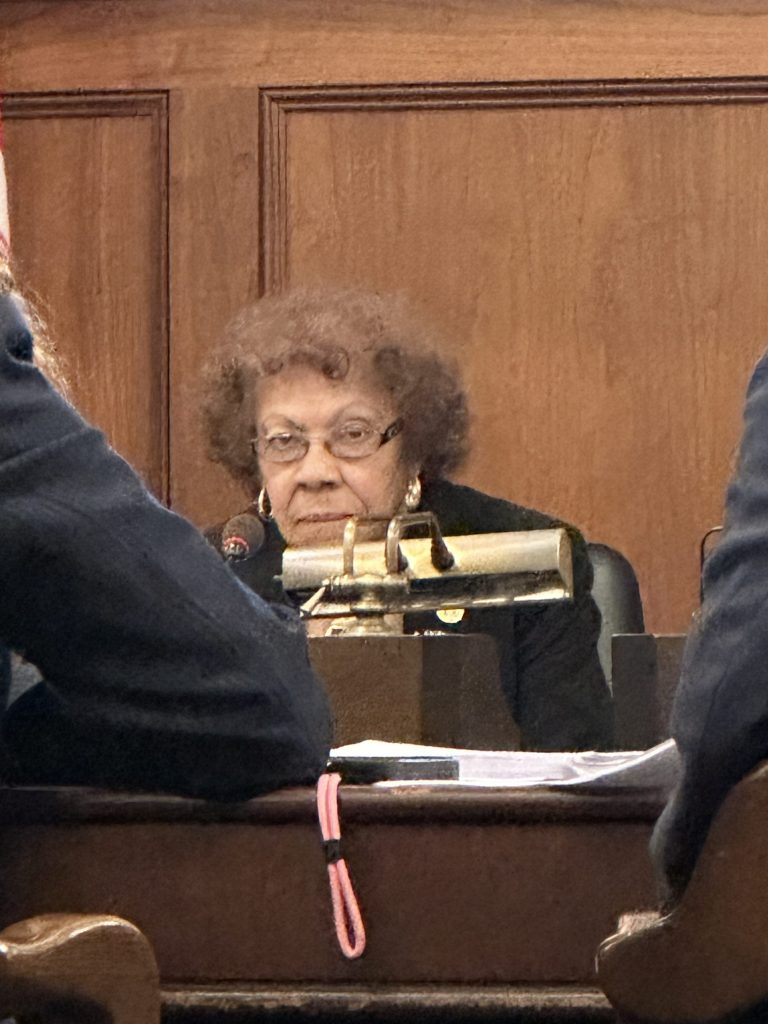
Sen. Shirley Turner, a Democrat from Lawrenceville and the bill’s primary sponsor, says she believes that the law would benefit New Jerseyians overall.
“People are very very frustrated by [daylight savings], It doesn’t make sense now, it’s antiquated,” she said after the meeting
Turner says making daylight savings permanent would stimulate the economy and give the average citizen more time in the day.
The law passing in New Jersey is only the first step.
In Congress, House Republicans had pushed through the “Sunshine Protection Act” earlier this year, but still awaits Senate approval. The act would make daylight savings permanent on a federal level.
Americans started observing daylight saving time in 1918, according to Time Magazine, to save government money spent on interior lights at night. It begins on the second Sunday of March each year when clocks are moved an hour forward. On Nov. 1 this year, clocks are moved an hour back, adding an extra hour of sleep.
Jayden Parente is a journalism student at Rowan University with a concentration in writing.