By Shohini Mitra
NJ State House News Service
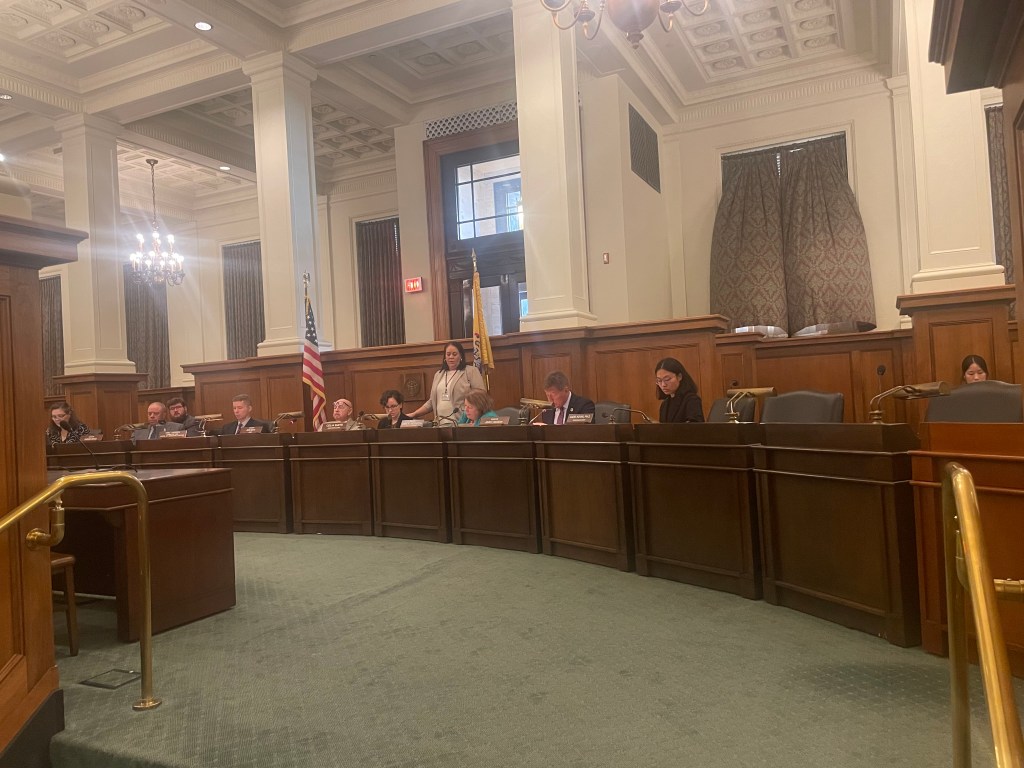
TRENTON, N.J. –Two bills aiming to make New Jersey the first in the nation to require all washing machines to add filters that reduce microplastic and microfiber waste were held in a Senate hearing on Thursday, after witnesses objected to the expense.
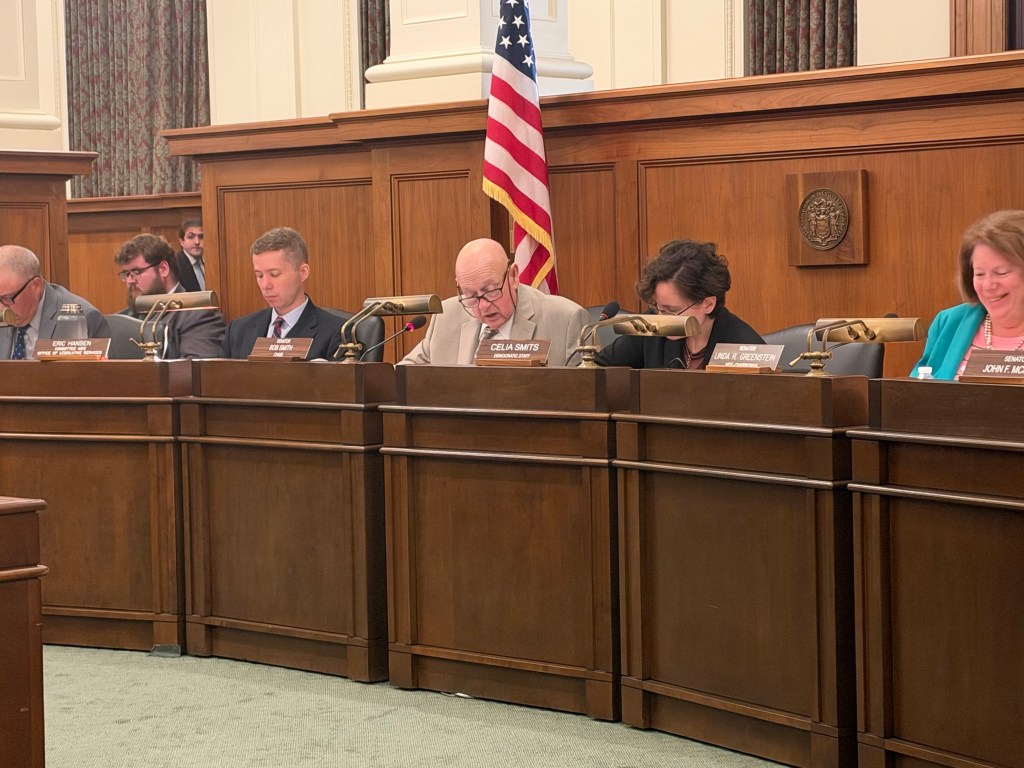
“The washing machines are dirty little suckers,” said bill sponsor Sen. Bob Smith, a Democrat from Piscataway. “If we took you to Princeton hospital and did a blood sample analysis, you have plenty of microplastics in your body. Same for your brain. You pick the part of your body, they’re out there and they’re very bad for you.”
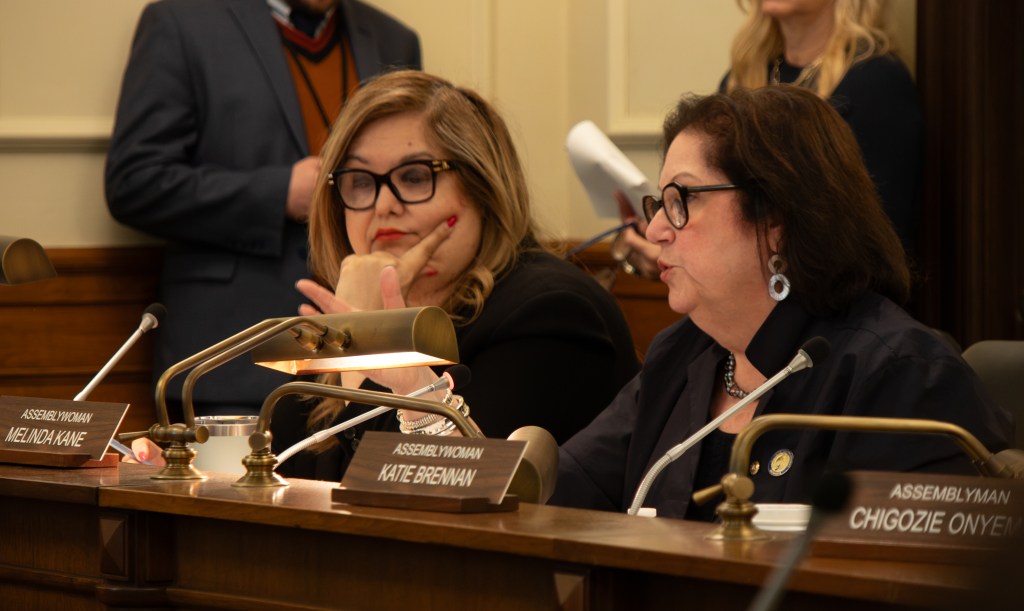
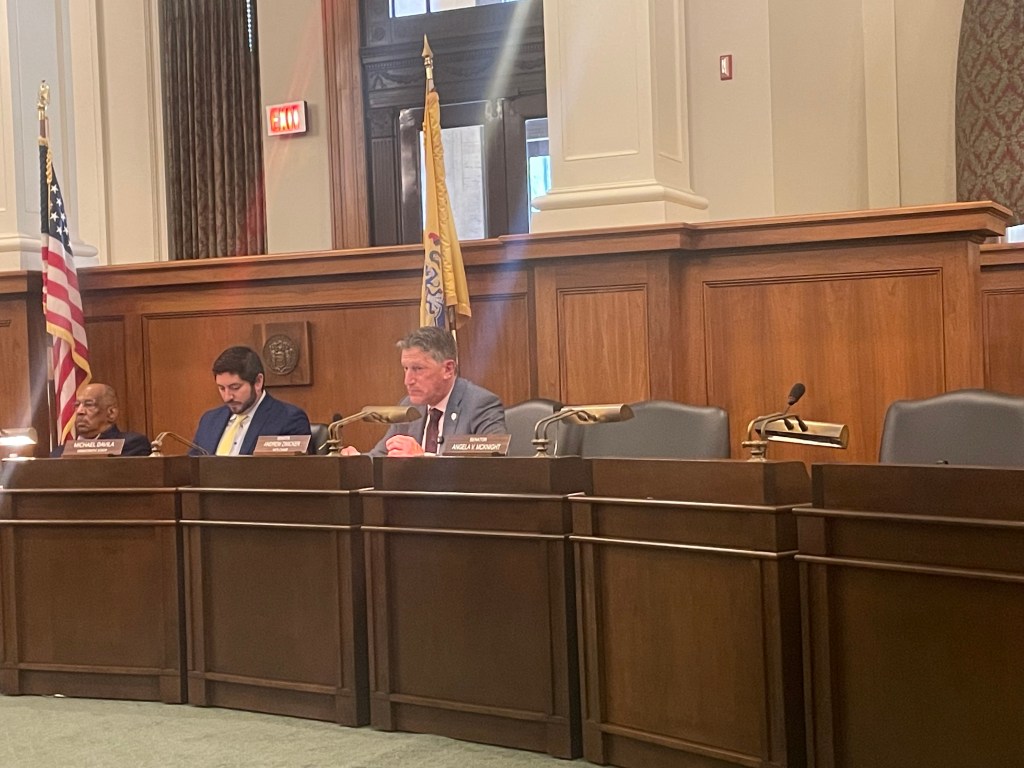
The Senate Environment and Energy committee did not vote on the measure after numerous witnesses raised concerns and suggested amendments to the bills.
“We think it’s probably appropriate to hold these bills at the moment, see if we can get some of the issues straightened out, and then release a bill that will have fewer issues in other venues,” said Smith, the committee chair. “But [we] plan to see them again.”
Bill S676 would require all washing machines sold on and after Jan. 1, 2030 to include filters to capture microfibers and microplastics, but opponents warned the unknown cost to consumers and industry would be high.
Microfibers are the most common form of microplastic pollution and are therefore an immense environmental threat to both humans and the environment, according to the bill. They appear in food, water, and air.
Each load of laundry can release up to 18 million microfibers into wastewater. Over the past 60 years, washing machines have released an estimated 5.6 million metric tons of synthetic microfibers, with 2.8 million tons released in just the last decade.
But witnesses from manufacturers and commercial laundromats and dry cleaners opposed the bill, seeking further amendments.
Bryan Wallace, president and CEO of the Coin Laundry Association, was among those who testified in opposition.
“Laundromats are different from the other applications being considered here. Most of our members have 30, 40, 50 laundromats in New Jersey with 100+ washers in the stores,” Wallace said. “That becomes a concern maintaining 30, 50, 80 filters. The machines are also designed entirely differently than your home machine.”
Wallace complained that the measure would require laundromats to completely redesign machines and plumbing infrastructure.
Microfiber pollution not only poses a threat to humans, it can also harm marine life and aquatic ecosystems.
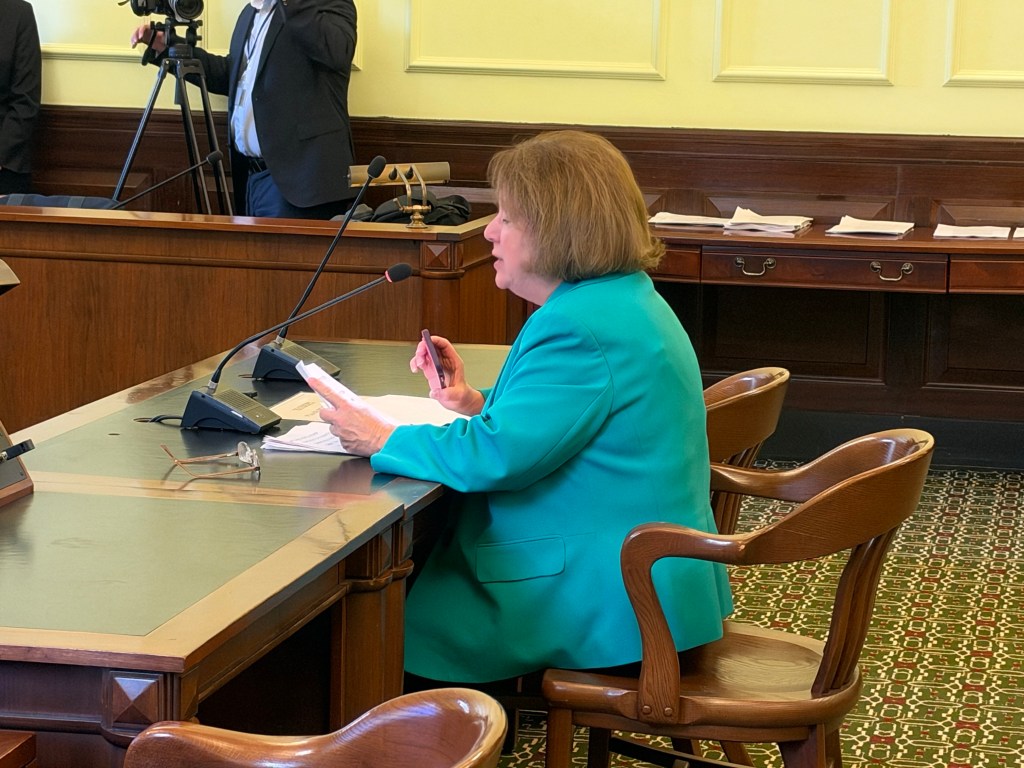
Lizzy Mulvenna, a clean water associate with Environment New Jersey, strongly supported the bill.
“Once these [micro]fibers enter the environment, they are extremely difficult to clean up. This is why capturing them at the source is so important. The good news is we know filtration can work,” Mulvenna said. “These washing machine filtrations give us an opportunity to address microfiber pollution at its source before it enters our waste water and our waterways.”
Adding a filter to a washing machine can capture up to 90% of the microfibers released during a wash, significantly reducing the amount of microplastic pollution that enters wastewater and eventually reaches waterways, according to the bill.
Additionally, if it becomes law, the bill would establish civil penalties of up to $10,000 for a first violation and $30,000 for each subsequent violation. The Department of Environmental Protection would collect the penalties.
The committee also put on hold S3831, which would propose a $1.5 million statewide rebate program encouraging residents to install new filters.
Any New Jersey resident would be eligible for a one-time rebate of up to $100 if they purchase a filter or replacement filter, submit a complete application, and meet the requirements established by the bill.
The Department of Environmental Protection would determine which types and brands of filter apply, documentation residents would complete, regulations, how eligible residents would apply and receive their rebates.
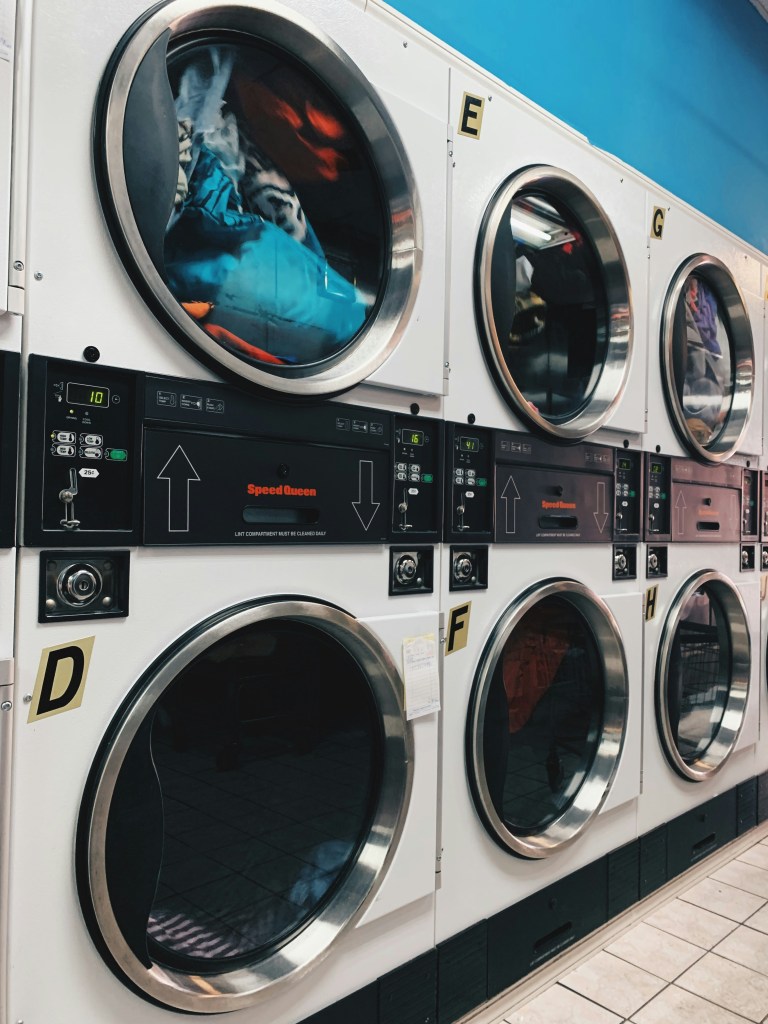
Photo credit: Alexandra Poliakova via Unsplash
Shohini Mitra is a senior journalism and media studies student pursuing a minor in digital communication, information, and media at Rutgers University.